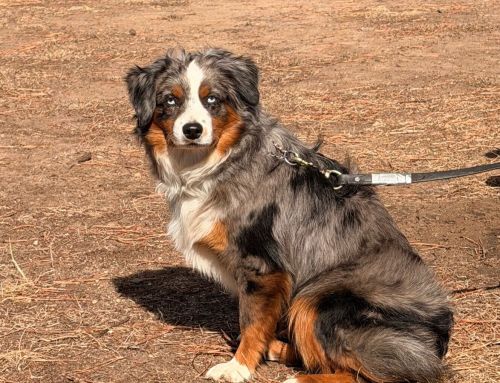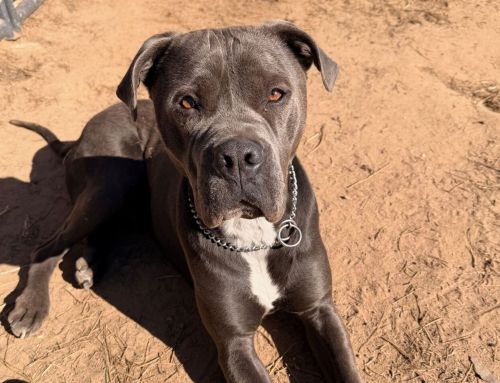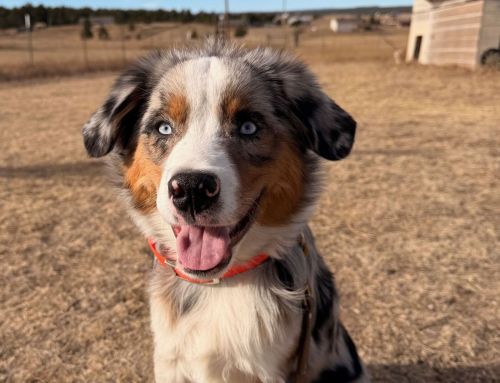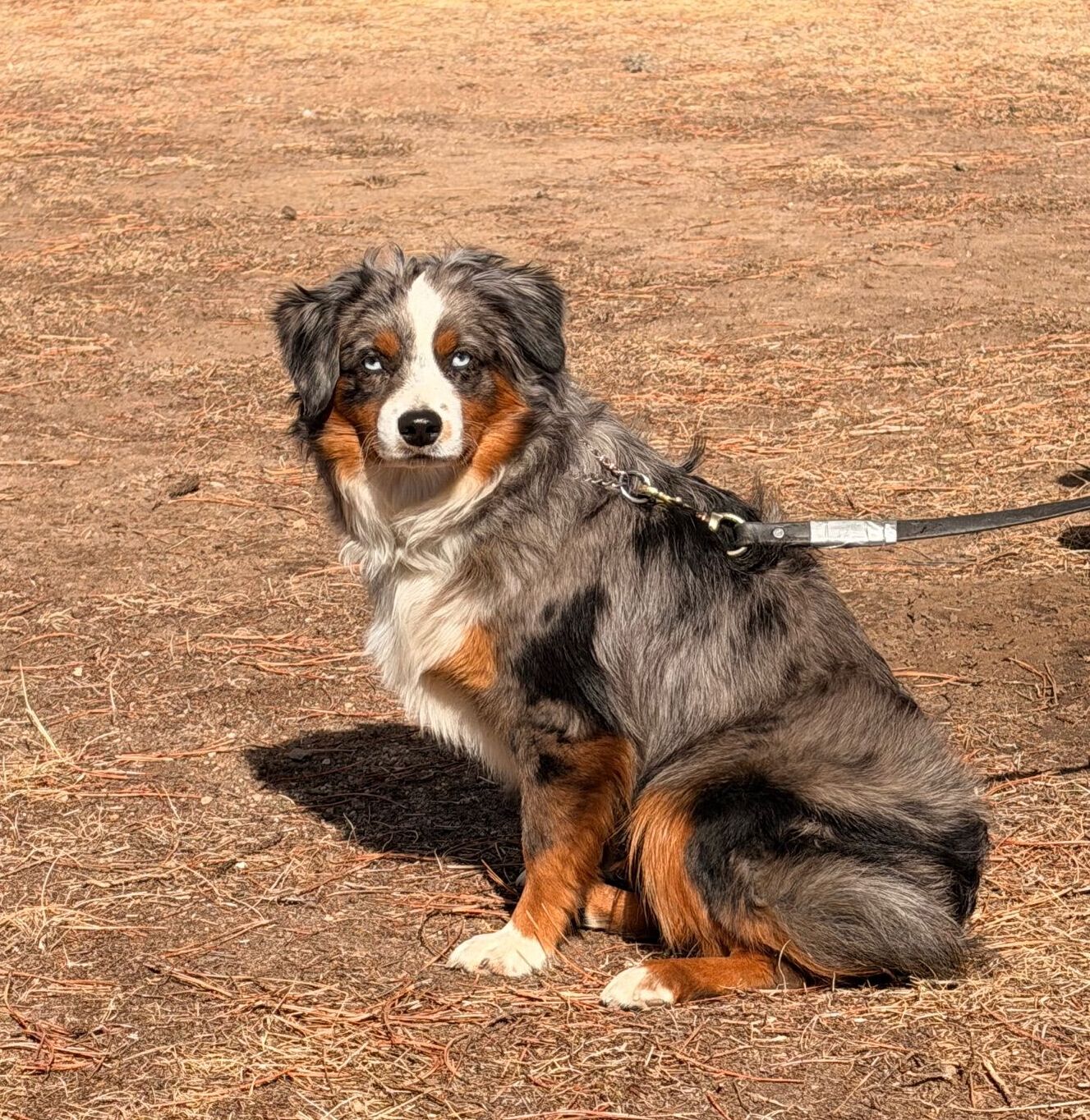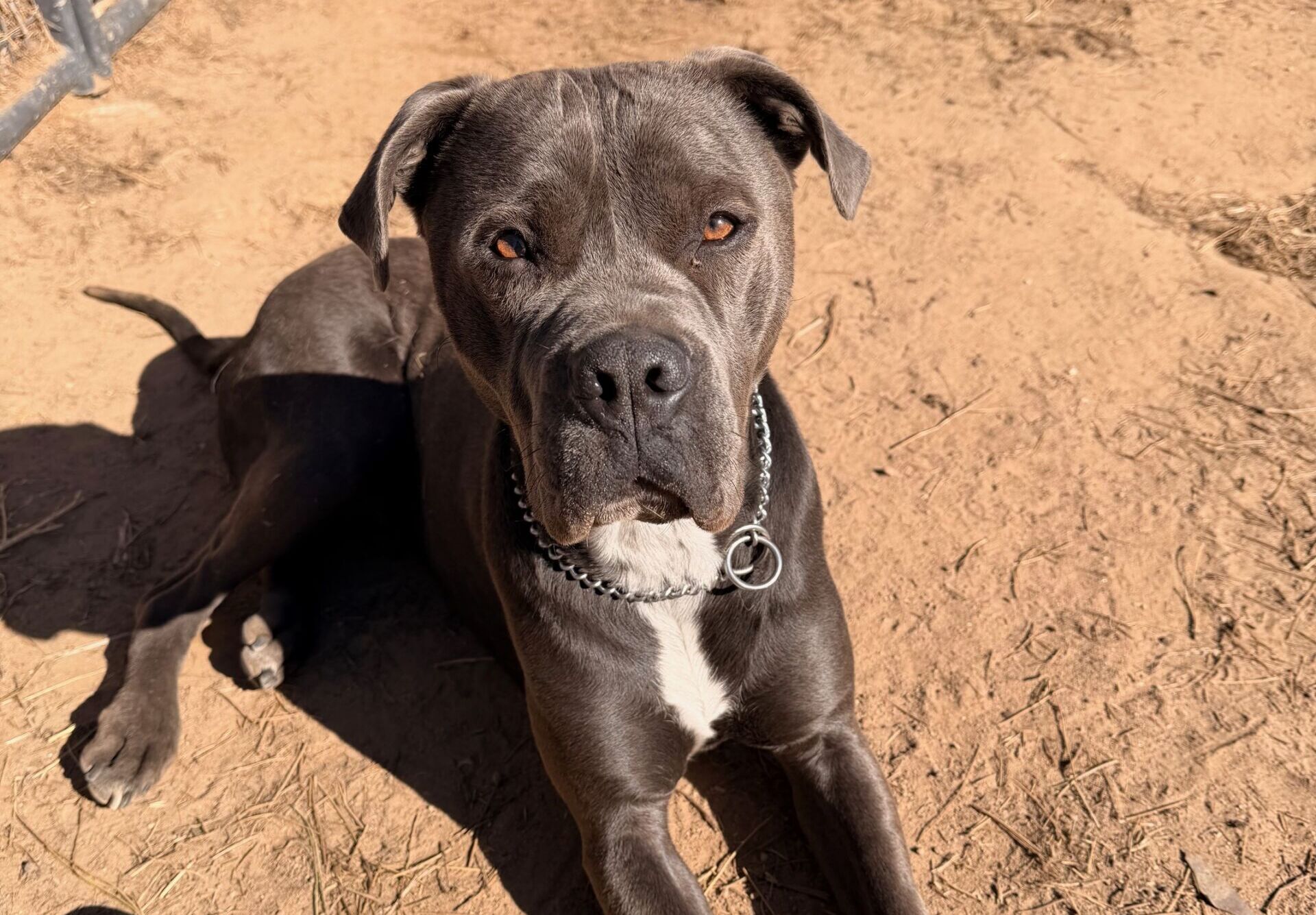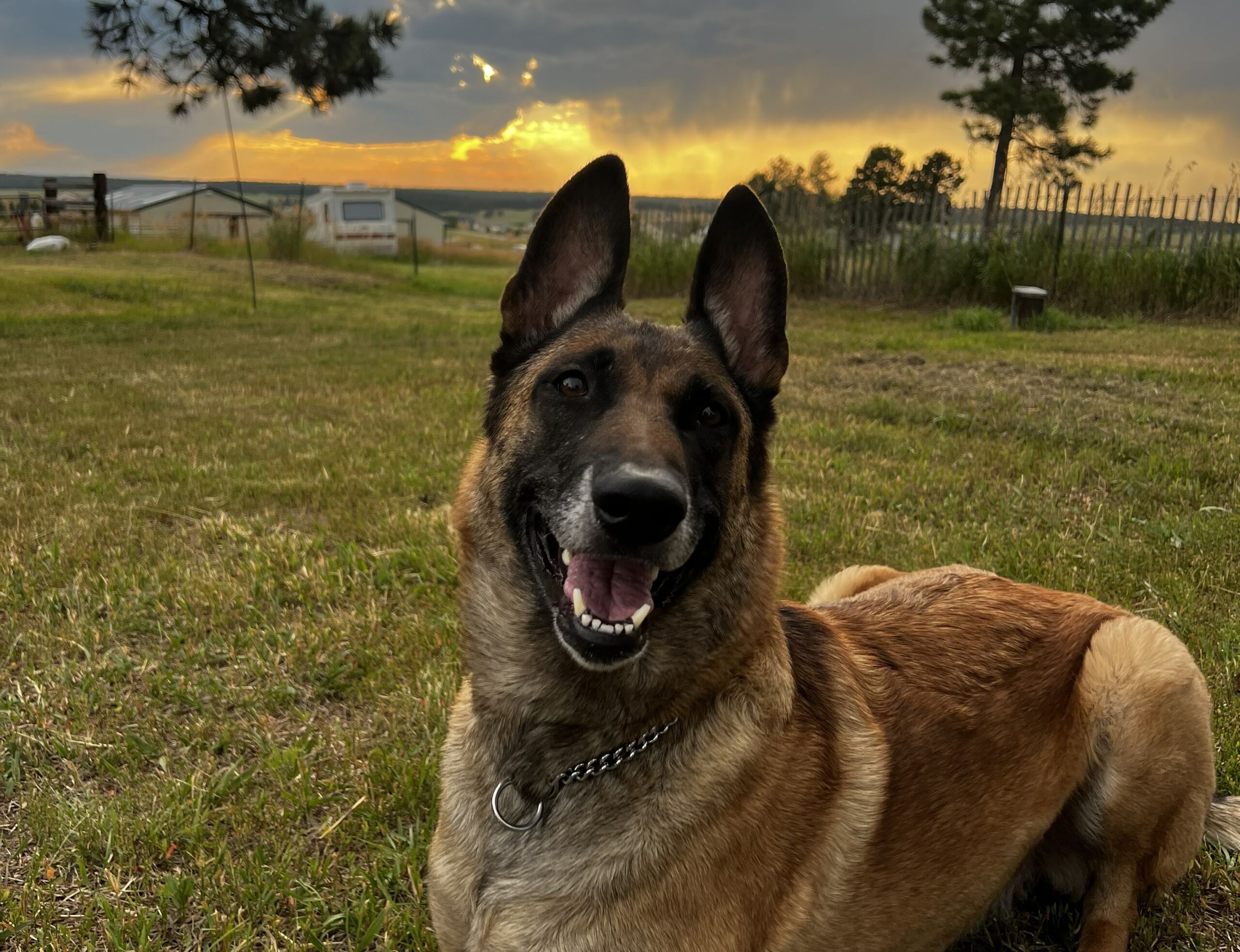
If your dog struggles to settle, gets overstimulated easily, or has a hard time relaxing on leash, you are not alone.
Many dogs are constantly in motion, always looking for the next exciting thing. While energy and enthusiasm are great, learning how to “shut it off” is just as important.
This is where chill out training for dogs comes in.
Chill outs teach your dog how to regulate their energy, practice impulse control, and relax even when they would rather be active. It is one of the most valuable life skills you can build into your dog’s training.
If your dog struggles with focus or consistency, structured obedience training can reinforce these skills and create lasting results.
Why Teaching Your Dog to Relax Matters
Even if your dog resists settling at first, learning to relax is essential for everyday life.
Chill out training helps dogs:
- Relax calmly on leash
- Go with the flow instead of resisting
- Respect personal space
- Develop emotional regulation
- Turn off high energy when asked
This type of training is especially helpful for dogs that are excitable, reactive, or easily distracted. Many of these behaviors are also addressed through behavior modification training, where structure and clarity reduce stress and confusion.
What Is a Chill Out?
A chill out is a structured exercise where your dog learns to remain calm and settled while on leash, even in stimulating environments.
The goal is not perfection. The goal is calm, consistent behavior over time.
Movement and Manners: Setting Boundaries
During a chill out, the goal is interruption, not punishment.
If your dog:
- Tries to bite the leash
- Nibbles on you
- Moves into your space
- Attempts to pop up
You respond with calm, precise corrections to guide them back into position.
Effective corrections may include:
- A well-timed foot tap to interrupt behavior
- Subtle, proportional leash guidance
- Using a hook motion to reposition your dog
The focus is always on clarity, not force.
Practice Guidelines for Success
Consistency matters more than perfection.
To build reliable results:
- Practice on both your right and left side
- Aim for about 20 minutes per session
- Work up to multiple sessions per day
- If your dog gets up briefly, do not restart the timer
- Continue working toward your time goal
Repetition and consistency are what create lasting behavior change.
What to Expect During Training
Your dog may not settle immediately, and that is normal.
During early sessions, your dog may:
- Act a little bratty
- Try to switch sides
- Playfully mouth or chomp
- Wiggle or resist before calming down
Stay steady and calm. This phase is part of the learning process.
If things become too chaotic:
- Reset the exercise
- Prioritize safety
- Keep your approach calm and controlled
Step-by-Step: How to Do a Chill Out
Right Side Setup
Start by positioning your dog on your right side.
Place your foot close to the leash clip without stepping on it. The leash should run up along your leg.
Use gentle downward pressure with your foot to control movement while keeping your hands free if needed.
You can guide your dog into a down position if necessary.
Maintain a calm, neutral posture.
Left Side Setup
The same process applies on the left side, just mirrored.
Control the leash, apply gentle pressure, and guide your dog back into position as needed.
Focus on consistency and repetition rather than perfection.
The Hook Method
If your dog moves out of position or steps in front of you:
Use your hand to gently guide their rear back into place.
Keep them aligned at your side.
Return them calmly to a down position.
Avoid letting the dog spin or flip out of position.
Expect some resistance at first. Stay patient.
Reinforcing Calm Behavior
Once your dog begins to settle:
- Notice when they soften
- Watch for reduced movement
- Look for relaxed body language
At this point, you can:
- Offer calm praise
- Give a treat
- Release them once they are fully settled
The key is to reward relaxation, not chaos.
The Bigger Picture: Building a Calm, Reliable Dog
Chill outs are not just about getting your dog to lie down.
They are about teaching your dog how to exist calmly in the world, even when distractions are present.
This kind of training builds:
- Better leash behavior
- Improved impulse control
- Stronger focus
- More reliable obedience
For dogs that need more structured guidance, working with a professional dog trainer can accelerate progress and ensure consistency.
Final Thoughts
Teaching your dog to relax is just as important as teaching commands like sit or stay.
With consistent practice, clear guidance, and calm leadership, your dog can learn to regulate their energy and settle with confidence.
Start simple. Stay consistent. Stay calm.
And remember: reward relaxation, not chaos.