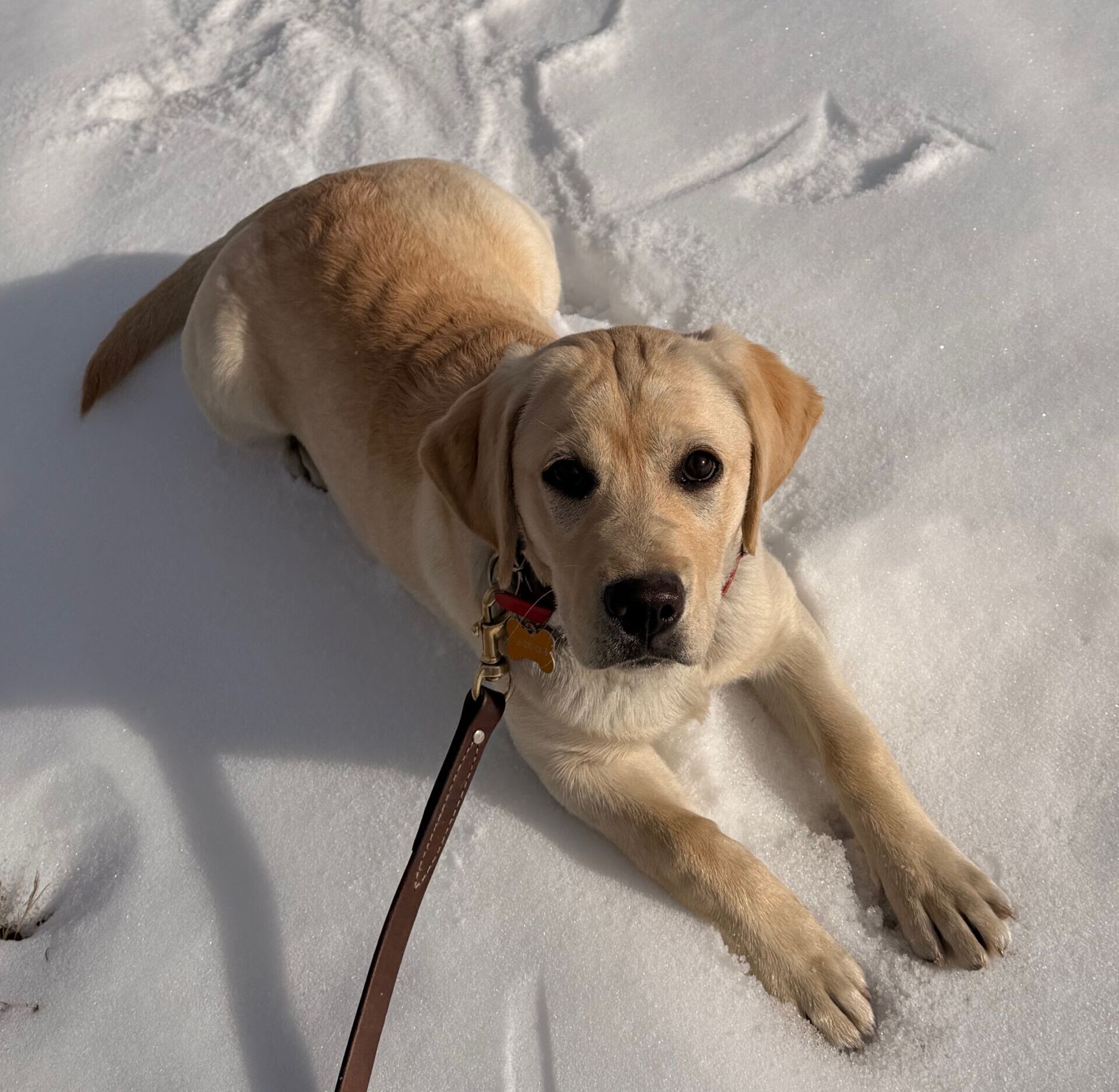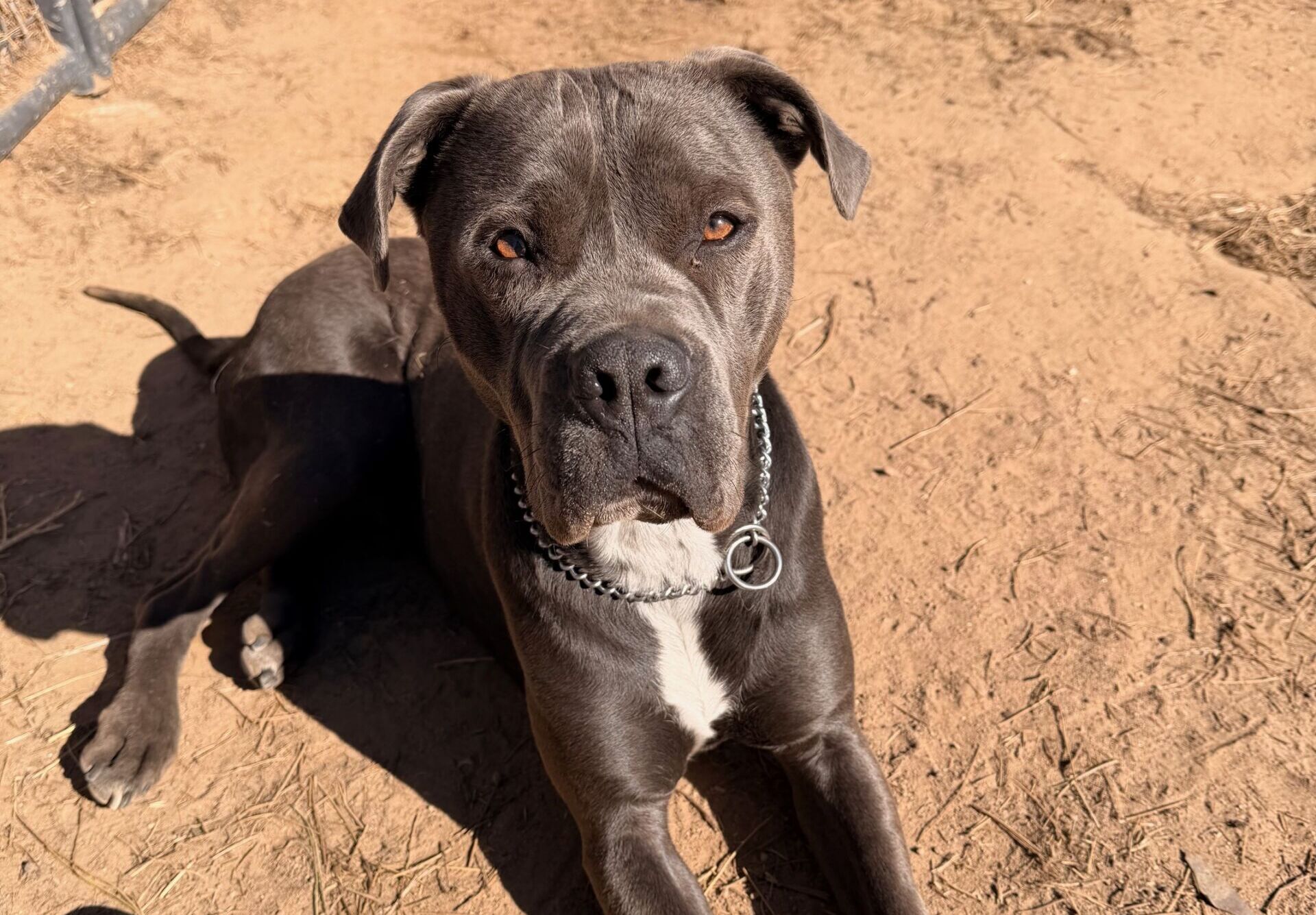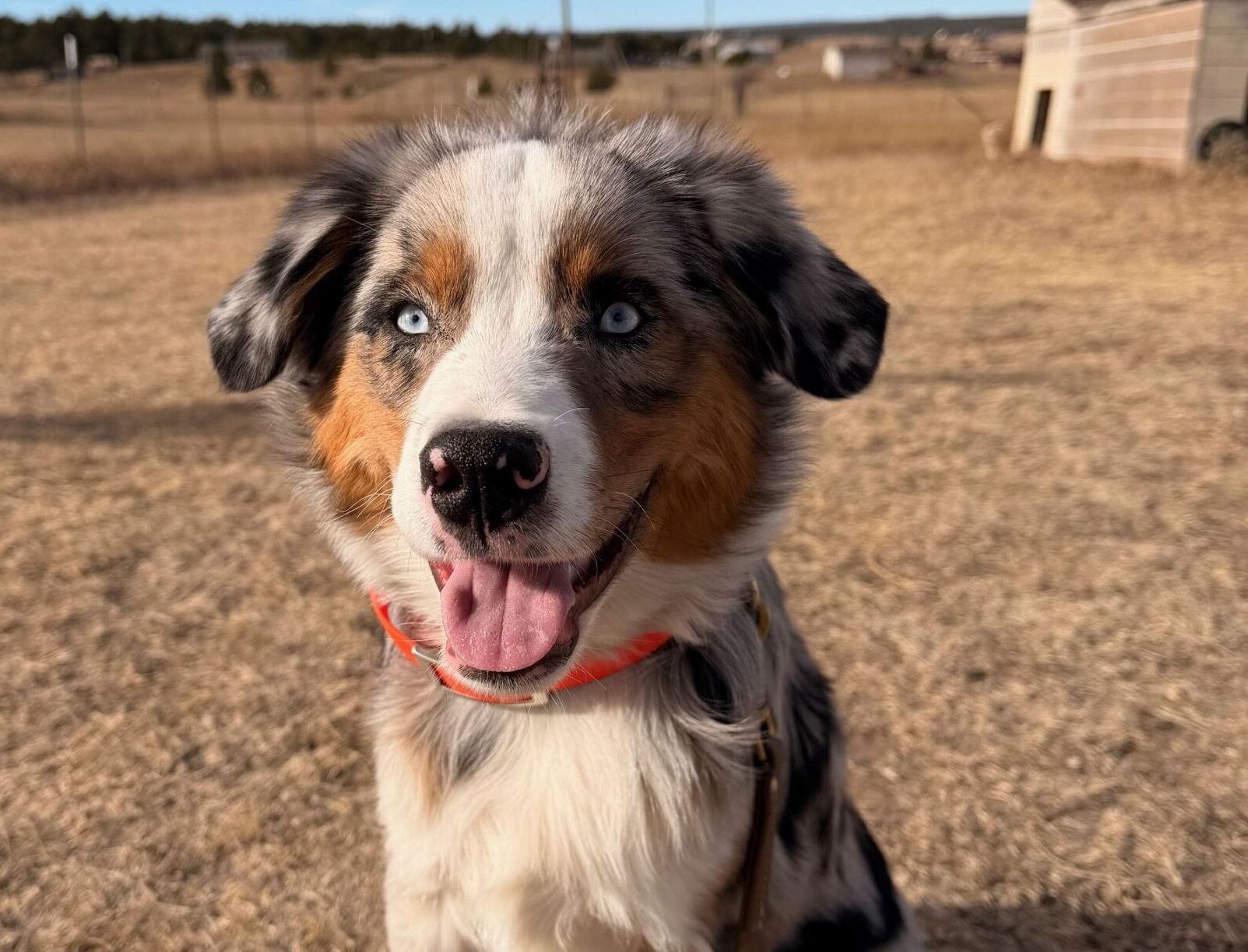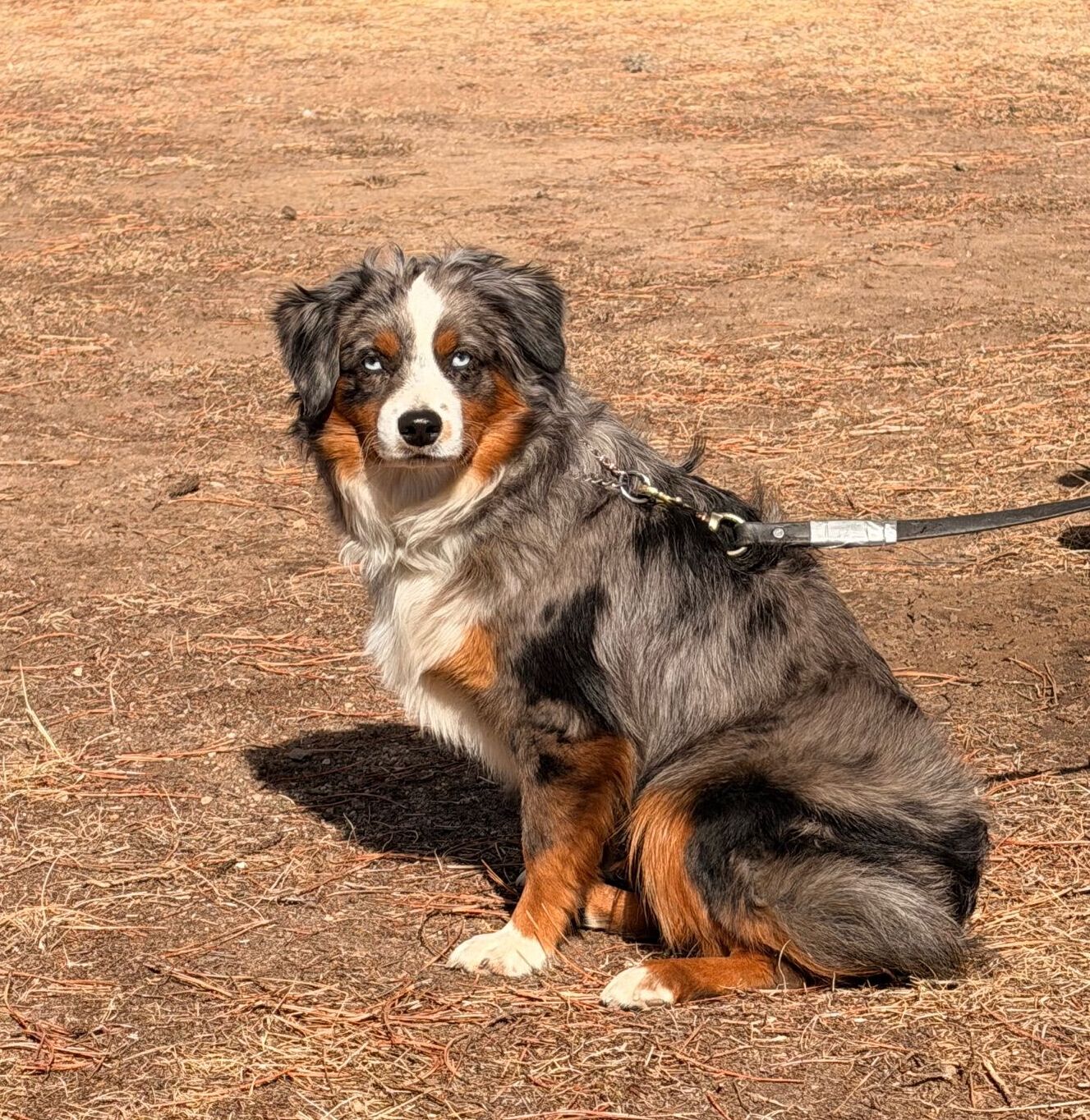
The down command is one of the most important skills you can teach your dog.
It builds calm behavior, improves focus, and creates better control in both everyday situations and more challenging environments.
More importantly, “down” is a foundation for reliable obedience training, helping your dog learn patience, structure, and consistency.
Why the Down Command Matters
Teaching your dog to lie down on cue does more than create a single behavior. It helps your dog:
- Settle in exciting environments
- Follow structured commands
- Build patience and impulse control
- Develop stronger overall obedience
Like any behavior, the down command should be taught clearly and progressively for long-term success.
Method 1: Luring Your Dog into a Down
Luring is one of the most effective ways to introduce the down command, especially for puppies or dogs new to training.
Start with your dog in a sitting position and use a treat to guide them into place.
Three ways to lure the down:
1. Straight Down
Move the treat from your dog’s nose directly to the ground.
2. Down and Out (L-Shape)
Move the treat down, then slightly away from your dog.
This often encourages them to stretch into position.
3. Toward the Paws
Move the treat at a slight angle toward your dog’s front paws.
This helps dogs that hesitate to fold into a down.
Reward immediately once your dog completes the behavior.
Helpful tip: You can add light downward leash pressure while luring to reinforce the motion.
Luring is a core part of puppy training and early-stage obedience, helping dogs understand what is being asked without confusion.
Method 2: Placing the Dog into Position
Once your dog understands the command, you can begin guiding them physically if needed.
This step builds clarity and reinforces the behavior when hesitation shows up.
To guide your dog into a down:
- Say the cue “down” once
- Apply light downward leash pressure
- Place two fingers gently on your dog’s back
- Apply soft pressure between the shoulder blades
Guide your dog calmly into position, then praise once they complete the behavior.
This method is commonly used in obedience training and behavior modification, where clear communication is key.
Important: This step should only be used after your dog understands the command but needs help following through.
Method 3: Correcting into a Down
Once your dog fully understands the command, corrections help create reliability.
If your dog does not respond:
- Give the cue once: “down”
- Follow with a quick, light leash correction parallel to the ground
- Praise immediately once the dog completes the behavior
The reward always comes after the correct response, not before.
This is what builds consistency and ensures your dog listens even when distracted.
A Note on Progression
If corrections are not working, it usually means your dog is not fully clear on the command yet.
Go back to:
- Luring
- Placement
- Clearer demonstrations
Strong communication creates reliable obedience.
The Training Rule Most Owners Miss
Do not repeat commands.
Say the cue once, then guide or correct as needed.
Repeating commands teaches your dog they do not have to respond right away.
Clear communication leads to faster learning and better long-term results.
The Mutt Masters Training Standard
Great training follows a simple structure:
- Teach first
- Guide when needed
- Correct only after understanding
- Reward the finished behavior
Your role is to make the command clear, consistent, and fair.
Why This Matters for Real-Life Behavior
The goal is not just to get your dog to lie down in a quiet room.
The goal is to have a dog that responds:
- Around distractions
- In new environments
- Without repeated commands
This is where structured training and consistency make the biggest difference.
If your dog struggles with follow-through or consistency, working with a professional dog trainer can help accelerate results and eliminate confusion.
Final Thoughts
The down command is more than a basic cue. It is a foundation for calm behavior, focus, and reliable obedience.
By using luring, placement, and corrections together, you create a clear path for your dog to understand and respond consistently.
Start simple. Stay consistent. Communicate clearly.
That is how real training works.